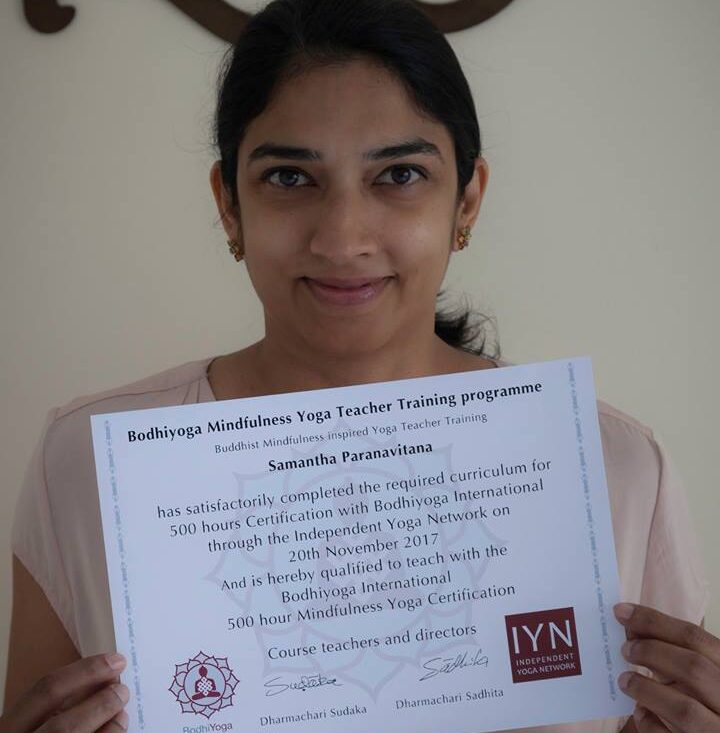
Bodhiyoga offers a 500 hours training which is open to any 200 hour trained teacher provided they attend atleast one open yoga and meditation retreat with us prior to coming on the 12 day Advanced teacher training (Module 2)
The course runs 27th May till 8th June 2014.
From this course students will gain:
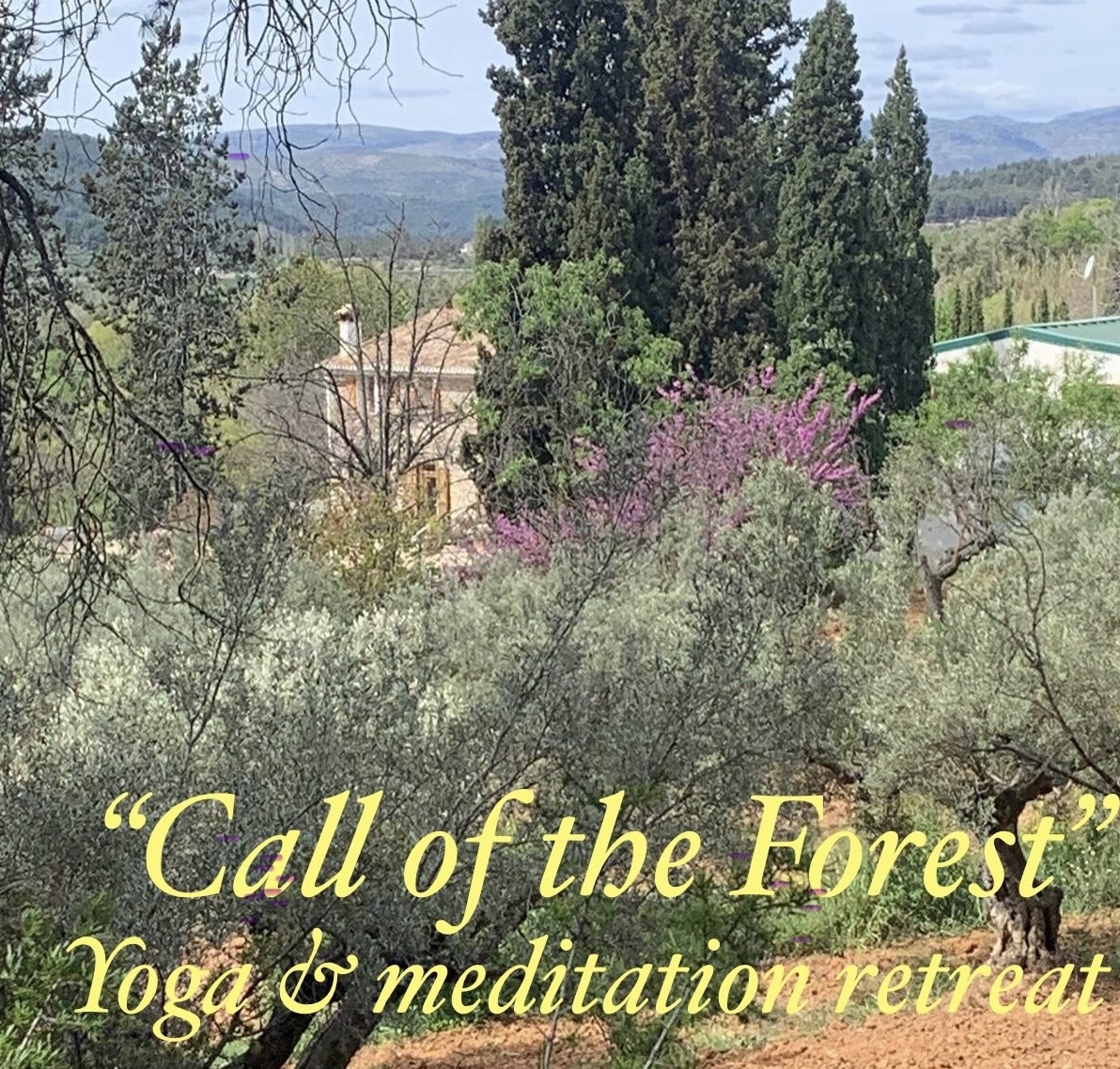
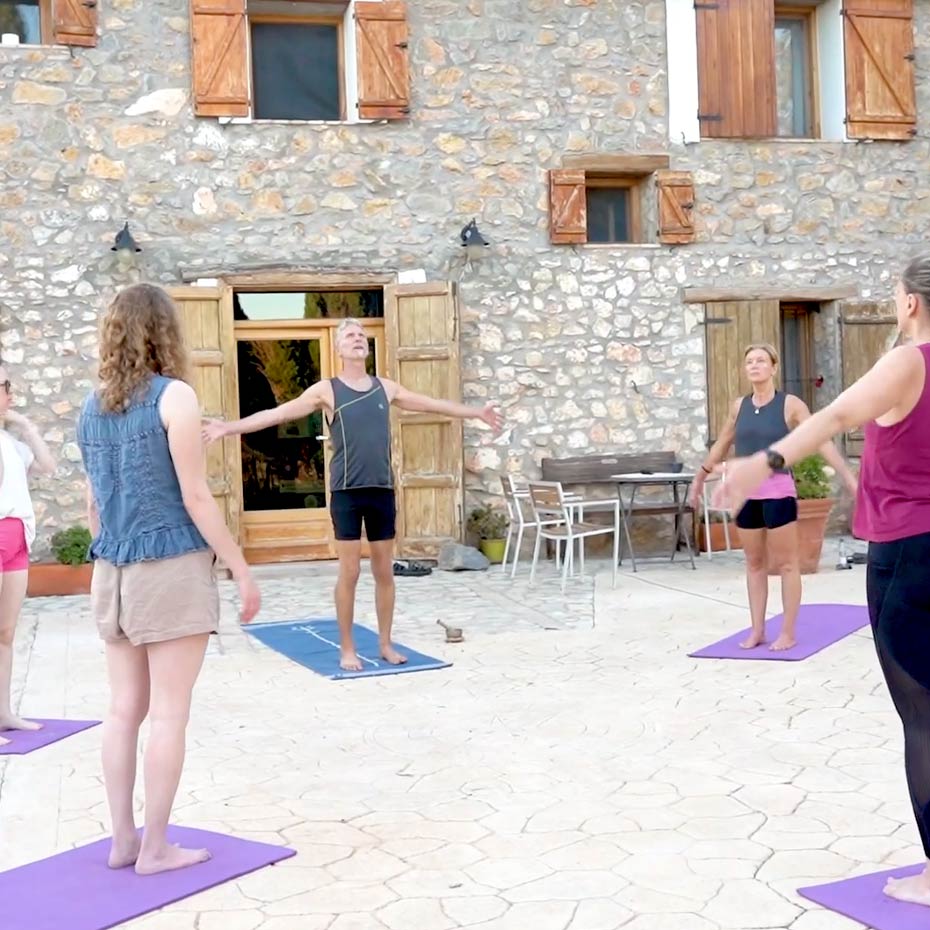
We run this course in the beautiful Casa La Artiga just over an hour from Valencia.
Detailed syllabus is on this page.
Casa La Artiga
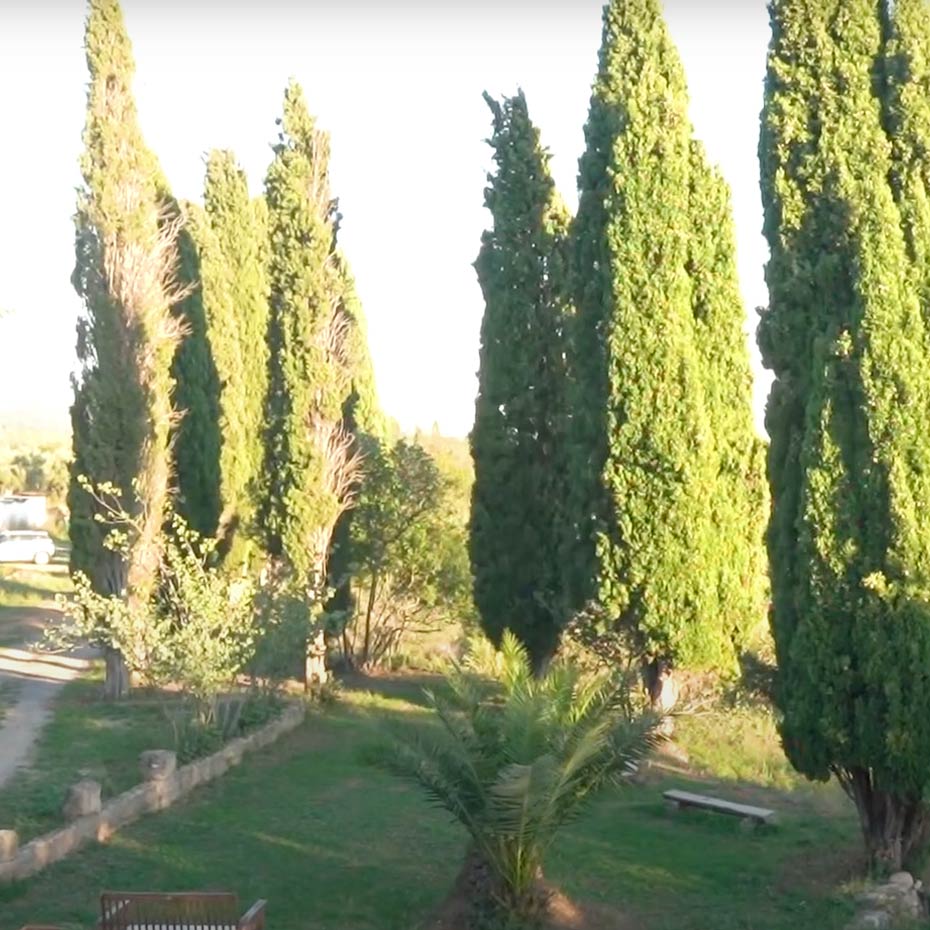
La Artiga is a country house up in the hills just within the province of Teruel, some 85 km to the North West of Valencia.
It is situated in a delightfully hidden hamlet in the valley of Olba, surrounded by lush pine and oak forests with the River Mijares running nearby, some 20 minutes walk away, ideal for a cool bath in the afternoons.

Introduction to the 12 day Advanced teacher training course
In this module, we will be expanding upon the basic principles that we have established in the 200 hours course. We will then further our understanding of the concepts of yoga, Satipatthana and working with pain or difficult situations. Ofcourse, what this course in aiming towards in a more in depth way, is the development of understanding of mind. Using yoga and meditation as tools for the job of becoming aware we transform our lives and therefore learn to see our suffering, pain and pleasure (in or out of yoga) as a way of learning about ourselves at deeper levels, coming to terms with the existential situation as human beings.
Ultimately yoga practice in the form of postures and breathing exercises cannot fully alleviate our existential pain and problems as human beings. Nor can it satisfy the deeper urges within the human psyche for a sense of spiritual freedom. What we need is an approach to our lives that is deeply imbued with a sense of meaning and perspective. The Buddha's teaching, that we employ as the basis for our training is replete with methods and doctrines for the transformation and development of the individual. Whether Buddhist or not, one can utilise these teachings to greater or lesser effect in order to overcome negative mental states, difficulties in relation to our bodies, as well as gain a perspective on our lives. These three elements explain the purpose of the 500 hrs teacher training.
Being problem oriented can become a problem in itself. Therefore, we should always bear in mind that we are trying to take our students towards a greater understanding of life and of themselves and not merely aim to alleviate immediate symptoms of pain or discomfort. The Buddha illustrates in the noble eightfold path, suffering (or dukkha) is an intrinsic part of the human condition. There is no question of having a human body without at some time or other experiencing pain or discomfort in some form . However, how we approach dealing with this pain and discomfort makes all the difference. We have the opportuninty to grow through our pain rather than merely get bogged down in the emotional and psychological effects of it. We can use the opportunity to grow and develop. This approach to practice would be called in Buddhism “Taking adversity as the path”.
In this course then, what we approach is a deeper level of opening to the reality of our immediate situation. We are going to acquire the skills and the knowledge to be able to help others to gain that perspective, using the tools of meditation, yoga asana and breathing exercises and other tools that will help the process. The more we clarify what it is we are trying to do the greater chance that we will be able to arrive at our goal. In the context of this course, we will be looking again at the theory as well as the practice of how mind works and how the interplay of bodywork (yoga) and meditation can help us.
We should have two things in mind when studying this material. Firstly, it is up to us to integrate it through practice - which means a whole hearted engagement and committment to the study and practice. Secondly, to be able to help others through this experience gained from within our own practice. As we gain experience through practice, our capacity to help others deepens. As we learn more what the real relevance of the practices and teachings are that we are learning, we can pass on clearly to others the tools and ideas that they can use to help themselves. Without such experience however, our teaching and practice will lack something of the genuine depth required to be effective teachers of these arts. For they are indeed ‘Arts’. The art of meditation and yoga asana.
Here in the 500 hrs manual will be found a course based around five main themes:
As a combination of practices and theoretical frameworks, what will be presented is a comprehensive and detailed multi-dimensional course.
The course is based around the Satipatthana teachings of the Buddha, one of the earliest presentations of the Buddha’s teaching and one that should be familiar in outline, at the very least. During the course, we delve more deeply into this subject both practically, experimentally and theoretically.
Meditation teaching forms an aspect of this course as it is here that we learn how to apply skills directly to the mind, thus laying the seeds for deeper transformation than those of yoga asana and the other traditional practices of the Hatha yoga systems. As the Bodhiyoga system of practice is essentially a contemplative yoga, the skills we acquire within meditation aim also to translate to the yoga. In this way moving between static sitting meditation and moving yoga asanas, we build up a body of focused energy that allows our mind to become stable and clear. Then, at the next level of practice we move more into reflecting on the nature of that experience. This is a specifically Buddhist practice, or one that has been utilised by Buddhists to great effect within the Buddhist tradition in order to gain a greater insight into the nature of the human condition. To see that our nature is essentially, no nature!
The course is aimed at people who wish to deepen and develop their yoga teaching skills. It is especially aimed at teachers wishing to incorporate a more meditative or mindfulness based appraoch to their yoga teaching work.
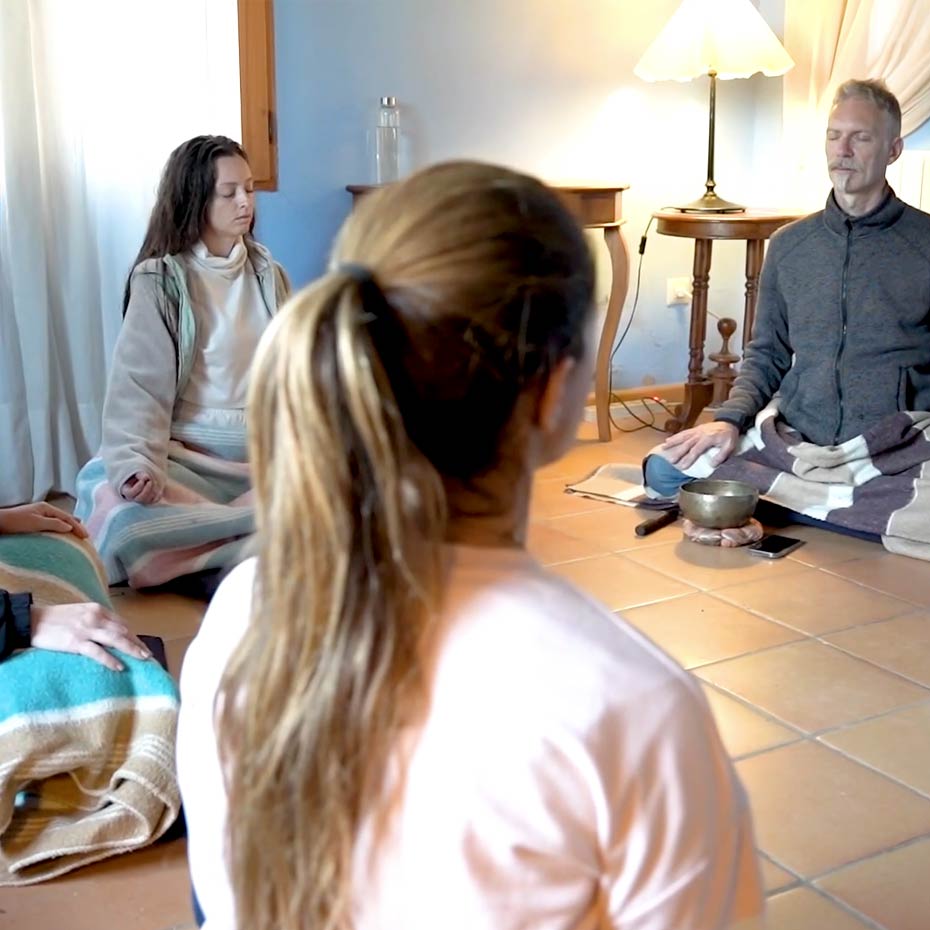
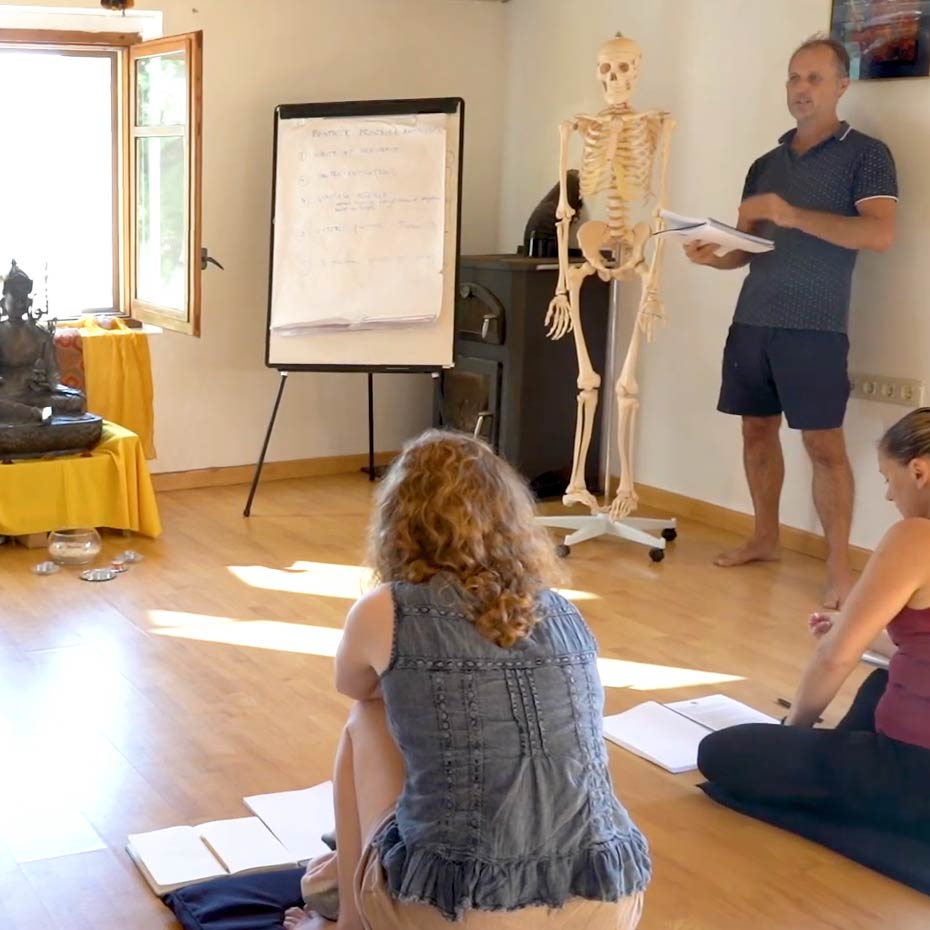
The full programme is designed to show existing yoga teachers how to integrate meditation and mindfulness teachings into their teaching practice. Each day there is an extended period of meditation and yoga practice led alternately by Sudaka and Sadhita followed by breakfast. Continuing after breakfast we lead workshops covering various practical applications of mindfulness in yoga and meditation teaching.
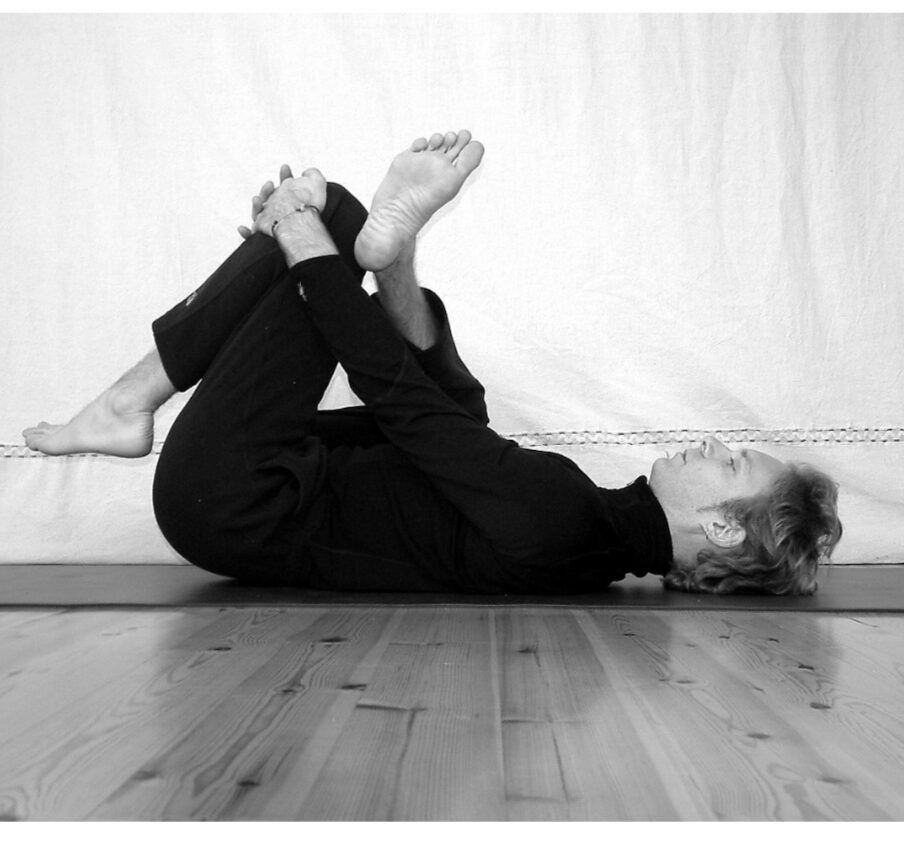
Over eight afternoon sessions we analyse and look the application of the morning remedial or therapeutic yoga sequences to work with common problems and conditions encountered in your students This enables you to work safely with them and help them to rebuild strength and stability in their bodies as well as design more intelligent classes.
Each evening we will present themes from the Buddhist Wisdom tradition which are directly relevant to our yoga teaching work.
On a more fundamental level our training offers a practical vehicle for spiritual transformation. We are principally concerned in providing conditions for the development and deepening of greater awareness, confidence and self-discovery.
Accomodation and food

All meals will be provided; breakfast, morning tea-break, lunch, afternoon tea and evening meal. Food will be lacto-ovo-vegetarian with vegan option. There is a spacious dining area and we will often take dinner "al fresco" as this time of year it si very comfortable to outside.
Fruit and vegetables are sourced as locally as possible and cooking is all done at home.
Participants help with washing-up dishes and general tidiness of their own quarters, though bed-sheets and room cleaning is done once a week by the support team. Washing machines are available for doing laundry.
There are various well furnished double and single rooms. Single occupancy is limited and we will charge a little extra for this. Bathrooms with showers are distributed throughout the premises.
Please let us know what your preferences are early if you wish single occupancy only.
Retreat Programme
7.00 Rise
7.30 Meditation & yoga practice
10.00 Breakfast
11.30 Workshop 1
13.00 Workshop 2
14.00 Lunch
16.30 Teaching practice
17.30 Workshop 3
19.00 Evening meal
20.30 Evening session
21.30 Meditation
How to get there (and away)?
La Artiga is a small hamlet in the valley of Olba. We are organising a minibus pick-up (and drop down) from Valencia for 18.00h on the first day of the course, 27 May and the drop-down for 11.30 in Valencia on the 8th June. It is however possible to travel up to Olba, if you wish to visit the area for a few days before the course on public transport. The address of La Artiga is below. They have their own website for more photos. www.teruelcasarural.com
Casa La Artiga
44479 Olba
Teruel
Spain
You need to take the train (2 hours) or bus (3 hours) to Valencia for the minibus pick up.
Take the Metro into town for the minibus pick up. Valencia is well worth a visit and we can recommend places to stay and to eat!
Booking
The retreats are limited to 12 persons only so book early. Make the full payment of 1400 euros (1170 for Bodhiyoga 200 hour teachers 15% discount), atleast 60 days before the event. Write to us for the details of our Triodos bank account here in Spain.
Contact us via the Contact page and send your full name, address, phone number(s) and emergency contact name and number as well as tell us a bit about your yoga and meditation experience.
Check that you will have adequate health insurance cover for the duration of your journey.
Check that your arrival and leaving time from Valencia or Alicante to get to the pick-up/drop-down.
You may have to stay one night in the area before or after the course to co-ordinanate travel and we can recommend various places to visit.
What to bring
We recommend travelling light!